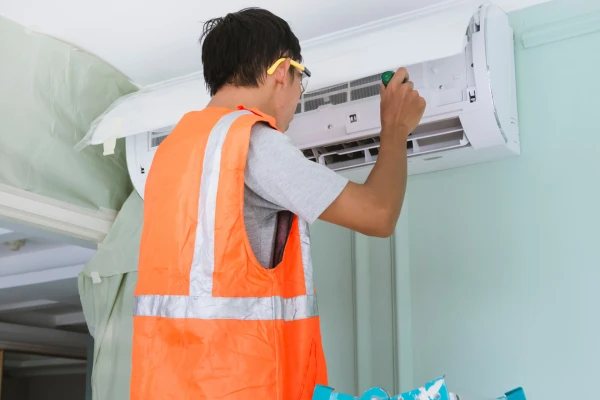
AC Blowing Warm Air? Common Causes and What to Check
Your air conditioner is running, the thermostat is set to cool, and air is coming through the vents. There is just one problem: the air isn't cold.
An AC blowing warm air can be caused by something as simple as an incorrect thermostat setting or a clogged air filter. Other possibilities include restricted airflow, a frozen evaporator coil, refrigerant problems, or malfunctioning electrical components.
For homeowners in Queen Creek, AZ, where high outdoor temperatures can place significant demands on cooling systems, identifying the problem early is especially helpful.
Before scheduling air conditioning repair, there are several safe checks you can perform yourself. Understanding the possible causes will also help you recognize when the problem requires professional attention.
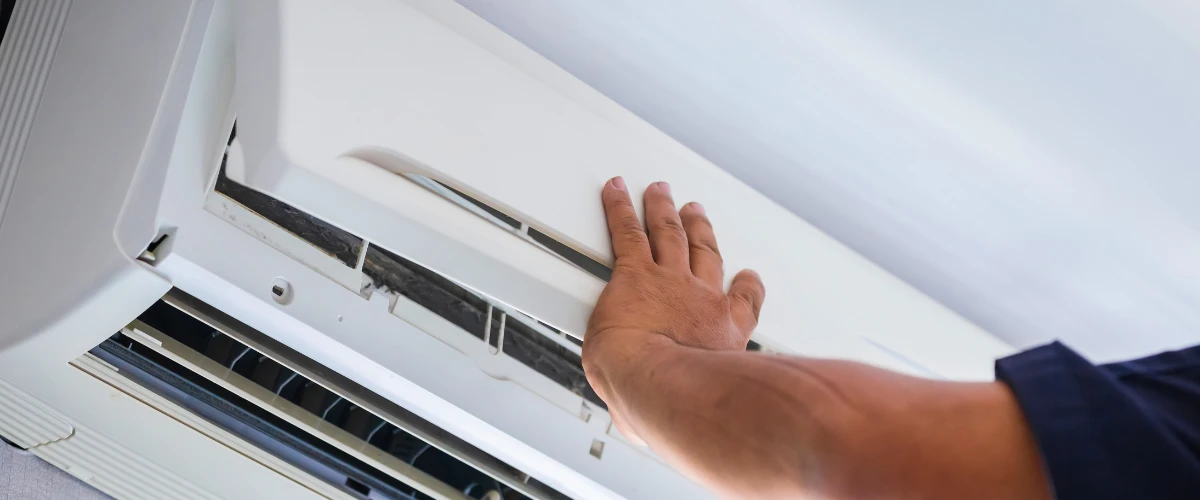
Why Is My AC Running but Not Cooling?
An air conditioner does more than move air through your home. It absorbs heat from indoor air and releases that heat outdoors through a refrigeration cycle.
When the system operates correctly, the air flowing from your supply vents should generally be cooler than the air entering the return vents.
However, the indoor fan can continue circulating air even when the cooling process is not working properly. That is why you might feel airflow without getting the temperature reduction you expect.
The problem usually involves one of three areas: the thermostat and system controls, airflow through the equipment, or the components responsible for removing heat.
Understanding which part of the process is affected can help narrow down the possibilities.
Check Your Thermostat Before Assuming the AC Is Broken
Thermostat settings are one of the easiest things to overlook when an air conditioner starts blowing warm air.
Start by confirming that the thermostat is set to "Cool" rather than "Heat" or "Off." The temperature setting should also be lower than the current indoor temperature.
Next, check the fan setting.
The Fan Is Set to "On" Instead of "Auto"
When the thermostat fan is set to "On," the indoor blower may run continuously, including when the air conditioner is not actively cooling.
As a result, you may notice room-temperature air coming through the vents between cooling cycles.
Switching the fan setting to "Auto" allows the thermostat to control the blower during normal cooling operation.
This does not guarantee that every warm-air problem will disappear, but it can resolve cases caused by continuous fan operation.
Thermostat Batteries or Controls May Be Malfunctioning
Some thermostats rely on replaceable batteries. Weak batteries can interfere with operation, depending on the model.
Programmable thermostats may also have schedules that change the temperature setting unexpectedly.
Check the display for warning messages, review the cooling schedule, and replace batteries if your thermostat uses them and indicates they are low.
If the thermostat appears unresponsive or the equipment behaves unpredictably, a technician can inspect the controls and determine whether the thermostat is contributing to the problem.
A Dirty Air Filter Can Restrict Cooling
A clogged air filter is another common reason an AC system may struggle to maintain comfortable indoor temperatures.
Your air conditioner needs sufficient airflow across its indoor cooling coil to operate properly. When the filter becomes heavily loaded with dust and debris, it restricts that airflow.
This can cause reduced cooling performance, weak airflow at the vents, and, under certain conditions, ice formation on the evaporator coil.
In Queen Creek, dust and regular cooling-system use make it worthwhile to inspect the filter consistently.
What to Check
Locate the filter in its designated return-air grille or filter compartment, following your equipment instructions.
If the filter is visibly dirty, replace it with one that matches the system's required size and specifications. If it is a reusable filter, follow the manufacturer's cleaning instructions.
Filter replacement frequency depends on the filter type, household conditions, equipment requirements, and how frequently the system operates.
Avoid installing an excessively restrictive filter without confirming compatibility. A higher filtration rating is not automatically better for every HVAC system.
Never operate your air conditioner without its required filter installed.
Your Outdoor AC Unit May Not Be Operating Properly
A central air conditioning system typically has indoor and outdoor components that work together to remove heat from your home.
If the indoor blower runs but the outdoor cooling equipment fails to operate, the vents may continue supplying air without adequate cooling.
Possible causes include a tripped circuit breaker, a failed electrical component, a problem with the outdoor fan, or a compressor-related issue.
What You Can Safely Observe
From a safe distance, look at the outdoor unit while the thermostat is calling for cooling.
Is the outdoor fan running? Are there unusual sounds? Is the unit surrounded by leaves, vegetation, or other objects that could restrict airflow?
Visible debris and obstructions around the unit may contribute to cooling problems. Keep the surrounding area clear without opening equipment panels or reaching into the unit.
You can also check whether a circuit breaker has tripped, but do not repeatedly reset it. A breaker that trips again can indicate an electrical problem requiring professional attention.
Electrical testing, capacitor replacement, compressor repairs, and internal wiring work should always be left to qualified technicians.
Frozen Evaporator Coils Can Cause Warm Air
Ice on an air conditioner might seem like evidence that the equipment is cooling effectively. In reality, a frozen evaporator coil can prevent normal heat transfer and significantly reduce cooling performance.
The evaporator coil absorbs heat from indoor air as refrigerant moves through the system.
When conditions cause the coil temperature to fall too low, moisture can freeze on its surface. As ice accumulates, it restricts airflow and interferes with cooling.
Potential causes include restricted airflow, dirty filters, blower problems, and certain refrigerant-related conditions.
Signs Your AC Coil May Be Frozen
You might notice unusually weak airflow, little or no cooling, or visible ice on accessible refrigerant piping.
Water may also appear near the indoor unit as accumulated ice melts.
If you suspect freezing, turn off the cooling function rather than continuing to run the air conditioner. Check the filter and accessible vents for obvious airflow restrictions.
Do not chip away ice, apply heat to the coil, or open the equipment to access internal components.
Even after the ice melts, the underlying problem may remain. A professional inspection can determine why freezing occurred before normal operation resumes.
Low Refrigerant or a Refrigerant Leak May Be Affecting Cooling
Refrigerant plays a central role in the cooling process. It absorbs heat indoors and releases heat outdoors as it circulates through the air conditioning system.
When the system has an insufficient refrigerant charge, its ability to cool the home may decline.
Possible symptoms include reduced cooling performance, longer operating cycles, and ice forming on parts of the system.
However, these symptoms do not automatically confirm a refrigerant leak. Airflow restrictions and other mechanical issues can produce similar results.
Refrigerant does not normally need routine topping off in a properly functioning sealed system.
If refrigerant loss is suspected, a qualified technician should inspect the equipment, identify the underlying issue, and determine the appropriate repair.
Homeowners should never attempt to open refrigerant lines, check refrigerant pressure, or add refrigerant themselves.
Could Dirty Condenser Coils Be the Problem?
The outdoor condenser coil releases heat collected from inside your home.
When dirt, dust, and debris accumulate on the coil, heat transfer may become less effective. This can force the cooling system to operate under greater strain.
During long periods of warm weather in Queen Creek, efficient heat rejection is especially important because the air conditioner may run frequently.
Homeowners can safely inspect the exterior surroundings for obvious obstructions. However, thorough coil cleaning should follow the equipment manufacturer's instructions, and internal maintenance is best handled by a qualified professional.
A dirty condenser coil is one possible reason for reduced cooling, but it should not be assumed to be the cause without evaluating the rest of the system.
Weak Airflow and Warm Air Are Not Always the Same Problem
The strength of the air coming from your vents provides a useful clue.
If airflow feels normal but the air is warm, the cooling process may not be operating correctly.
If airflow is noticeably weaker than usual, the system may have a restriction or a blower-related problem.
Blocked supply vents, obstructed return grilles, dirty filters, duct restrictions, and equipment issues can all affect airflow.
For example, a bedroom might receive very little cool air while other rooms remain comfortable. That situation could involve airflow distribution or ductwork rather than a complete loss of cooling throughout the house.
Before assuming there is a major mechanical failure, make sure accessible supply vents are open and return-air grilles are not blocked by furniture or other household items.
If the problem continues, an HVAC technician can measure airflow and inspect the relevant equipment.
When Does an AC Blowing Warm Air Need Professional Repair?
Some cooling problems can be resolved by correcting thermostat settings or replacing a dirty filter.
Others require diagnostic equipment, technical training, or access to electrical and refrigeration components.
Professional air conditioning repair is appropriate when the system continues blowing warm air after basic checks, the outdoor unit fails to operate, or the equipment repeatedly starts and stops without cooling effectively.
Additional warning signs include unusual mechanical noises, recurring ice formation, water around the indoor equipment, and significant changes in airflow.
If you notice smoke or an electrical burning smell, stop using the equipment if you can do so safely. Leave the area if there is an immediate hazard and contact the appropriate emergency service.
What Happens During an AC Repair Appointment?
At Cactus Cool, we focus on identifying the cause of the cooling problem before recommending a solution.
Depending on the symptoms, our technicians can inspect system operation, evaluate thermostat controls, assess airflow, and investigate the components responsible for cooling.
The goal is to understand what is preventing the system from operating correctly rather than replacing parts based only on symptoms.
Once the issue has been identified, we can explain the findings and discuss the appropriate next steps for your equipment.
Does Warm Air Mean You Need a New Air Conditioner?
Not necessarily.
An AC blowing warm air does not automatically mean the system has reached the end of its useful life.
Many cooling problems can be repaired, depending on the condition of the equipment, the component involved, and the availability of replacement parts.
For example, resolving an airflow restriction is very different from addressing a major compressor failure.
If your air conditioner has experienced repeated breakdowns, requires extensive repairs, or has significant performance problems, comparing repair and replacement options may make sense.
Equipment age is one consideration, but it should not be the only deciding factor.
A technician can help assess the system's overall condition, repair history, and expected performance so you can make an informed choice without assuming replacement is necessary.
Helpful Resources for Understanding AC Cooling Problems
Reliable information can make it easier to recognize common cooling issues and understand which tasks are appropriate for homeowners.
The following resources offer practical guidance without requiring specialized HVAC knowledge.
U.S. Department of Energy
The U.S. Department of Energy's Energy Saver program provides educational information about home cooling, energy use, and HVAC maintenance. It is a useful starting point for understanding how air conditioning systems operate and why maintenance matters.
ENERGY STAR Maintenance Checklist
The ENERGY STAR maintenance checklist explains common HVAC maintenance tasks, including filter inspections, thermostat checks, coil cleaning, and professional equipment evaluations.
It also distinguishes homeowner maintenance from work that should be handled by an HVAC contractor.
U.S. Environmental Protection Agency
The EPA's stationary refrigeration and air conditioning resources explain important refrigerant-handling requirements and environmental considerations.
This information helps homeowners understand why refrigerant service involves specialized procedures and qualified personnel.
Frequently Asked Questions About an AC Blowing Warm Air
Why Does My AC Blow Cold Air at First and Then Turn Warm?
This can happen when cooling operation stops but the indoor fan continues running. It may also occur when the system develops a problem during operation, such as evaporator coil freezing or an intermittent equipment fault.
Pay attention to when the temperature changes and whether the outdoor unit continues operating. These details can help a technician narrow down the cause.
Can Extreme Heat Make My AC Blow Warm Air?
Very high outdoor temperatures can make it harder for an air conditioner to maintain the desired indoor temperature, particularly when the home experiences substantial heat gain.
However, struggling to reach the thermostat setting is different from delivering consistently warm air.
If the air coming from the vents is no longer noticeably cooler than the return air, the system may need inspection.
How Long Should I Wait for My AC to Start Blowing Cold Air?
An air conditioner may have a short startup delay, particularly if its controls include compressor protection features.
Once the cooling equipment is operating normally, the supply air should generally become noticeably cooler within several minutes.
If the system continues circulating warm air without improvement, avoid repeatedly adjusting the thermostat and investigate the problem.
Can a Dirty Filter Make the AC Stop Cooling Completely?
Yes. A severely restricted filter can reduce airflow enough to interfere with normal cooling and potentially contribute to evaporator coil freezing.
However, replacing the filter may not immediately restore cooling if ice has already developed or another issue is present.
Why Is My AC Blowing Warm Air After a Power Outage?
A power interruption can affect thermostat settings, controls, or equipment operation.
Check whether the thermostat is correctly configured and whether the system has resumed normal operation. Some equipment includes a built-in restart delay.
If the breaker trips again or the cooling equipment fails to restart, have a qualified technician inspect the system.
Is It Safe to Keep Running My AC When It Blows Warm Air?
That depends on the cause, but running an air conditioner that is not cooling properly can sometimes worsen an existing problem.
For example, continued operation with a frozen coil or malfunctioning outdoor equipment may place additional strain on system components.
If basic thermostat and filter checks do not resolve the issue, turn off cooling and arrange an inspection.
How Much Does It Cost to Fix an AC Blowing Warm Air?
The repair cost depends on the underlying problem, required parts, labor, equipment accessibility, and overall system condition.
A thermostat-related issue may involve a different repair scope than a refrigerant leak or failed mechanical component.
A proper diagnosis is the most useful starting point for understanding the necessary work and associated cost.
Can Regular AC Maintenance Help Prevent Warm-Air Problems?
Maintenance can help identify developing issues before they cause noticeable cooling problems.
Filter care, coil inspections, airflow checks, and evaluation of electrical and cooling components can support proper operation.
Maintenance cannot prevent every breakdown, but it can help keep the system operating as intended and reveal problems that need attention.
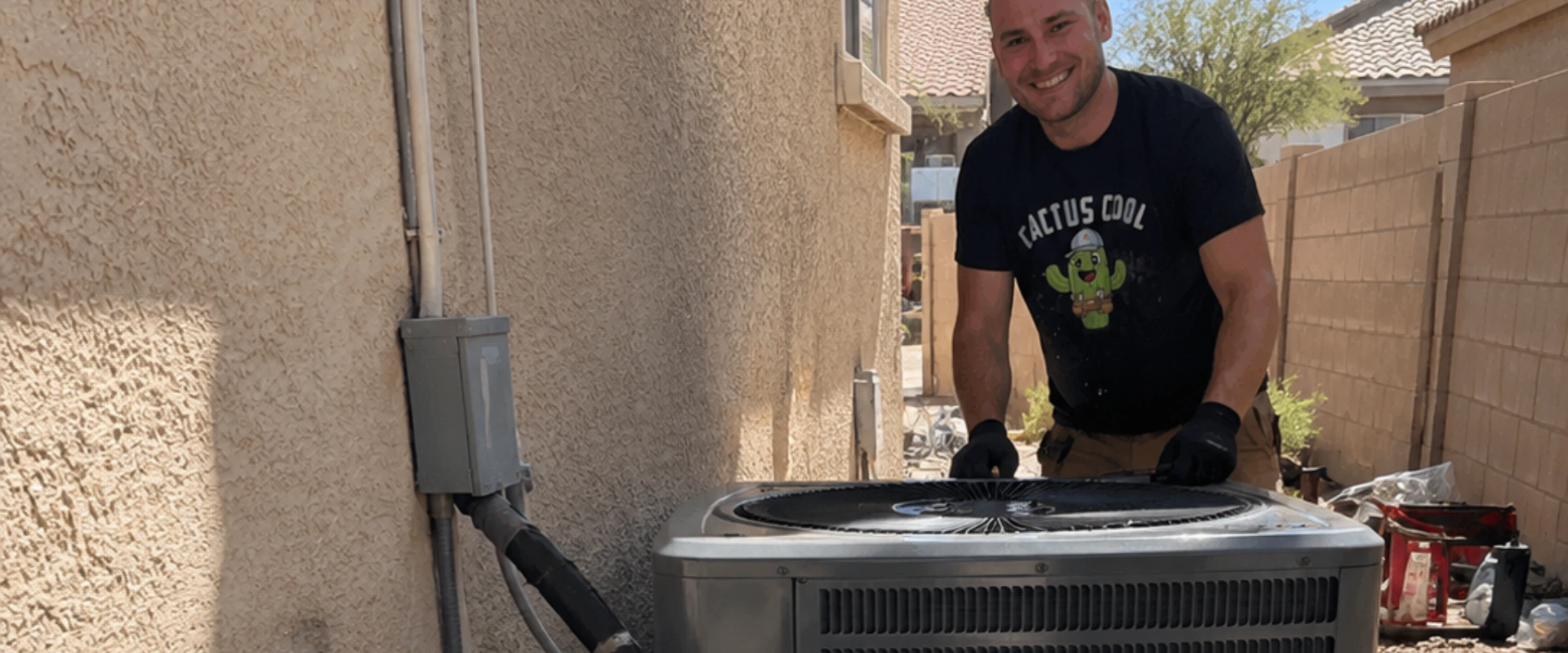
Get Your AC Cooling Properly Again in Queen Creek, AZ
An air conditioner blowing warm air is a symptom, not a diagnosis. The cause might be as simple as a thermostat setting or dirty filter, or it could involve an issue that requires professional testing and repair.
Start with the safe checks you can perform yourself. If the problem continues, the next step is finding out exactly why the cooling system is not working.
At Cactus Cool, we help homeowners in Queen Creek, AZ, identify and address air conditioning problems with clear communication and repair recommendations based on the equipment's condition.
If your AC is running but your home is not getting cooler, call 602-384-1100 or Contact Us to discuss the problem and schedule service.