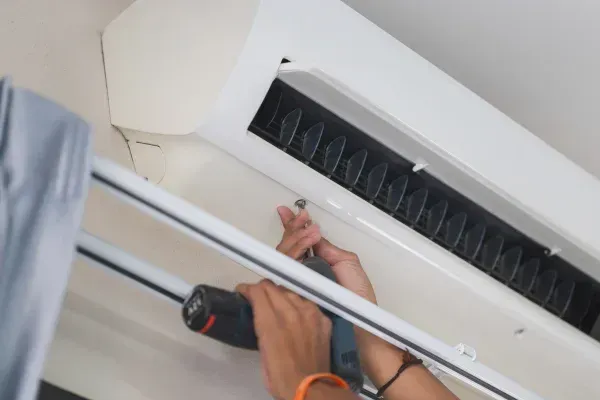
How Much Does Air Conditioning Replacement Cost in Mesa, AZ?
When summer settles over Mesa, your air conditioner isn't just another appliance. It's the system you depend on day after day to keep indoor temperatures comfortable while the Arizona heat pushes well into triple digits.
That's why discovering that an older AC system needs replacement can bring up one immediate question: How much does air conditioning replacement cost in Mesa, AZ?
For many Mesa homeowners, a complete residential AC replacement can cost roughly $6,000 to $15,000 or more, depending on the equipment, home size, efficiency rating, installation requirements, ductwork, electrical work, and other factors. Larger homes, high-efficiency equipment, major duct modifications, or complicated installations can push the price higher.
That range is useful for planning, but it doesn't tell the whole story. Two houses just a few streets apart can need very different systems and have substantially different replacement costs.
At Cactus Cool, we believe you should understand what you're paying for before making a decision. Here's a detailed look at AC replacement costs in Mesa and what can influence your final estimate.
Average Air Conditioning Replacement Cost in Mesa, AZ
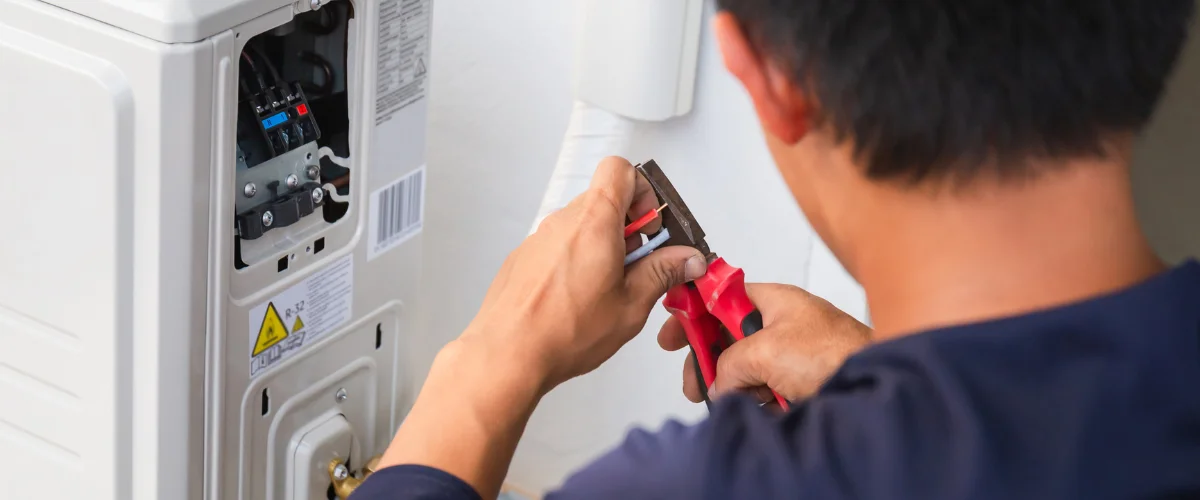
A reasonable planning range for replacing a central air conditioning system in Mesa is approximately $6,000 to $15,000+.
A relatively straightforward replacement using standard-efficiency equipment may fall toward the lower end. A larger or more complicated project involving higher-efficiency equipment, duct modifications, electrical upgrades, zoning, or other improvements may cost considerably more.
Your actual price depends on several things, including:
The size and cooling requirements of your house
AC system type
Equipment efficiency
Equipment and component quality
Installation difficulty
Existing ductwork condition
Electrical requirements
Thermostat and control upgrades
Permit and inspection requirements
Labor involved in removing the old equipment
Accessibility of the indoor and outdoor equipment
Additional comfort or indoor air quality upgrades
Because so many variables affect the price, you shouldn't choose a new AC system based on a generic online estimate alone. Your home should be evaluated before equipment is selected.
Why AC Replacement Is Such an Important Decision in Mesa
Mesa's climate puts cooling equipment through conditions that homeowners in milder parts of the country simply don't experience.
During the hottest months, daytime temperatures routinely reach triple digits. Your air conditioner may run for long periods to maintain the temperature you've selected at your thermostat.
That workload adds up.
An aging system may lose reliability just when you need it most. It may also require increasingly frequent repairs while using more electricity than newer, properly selected equipment.
Replacing an air conditioner therefore isn't only about buying another cooling unit. You're choosing equipment that could affect your family's comfort, monthly energy use, repair expenses, and home budget for the next decade or longer.
Getting the system and installation right matters.
What Determines AC Replacement Cost in Mesa?
There isn't one universal AC replacement price because every property has different cooling requirements. Here are some of the biggest factors affecting your estimate.
Size of Your Home
Larger houses generally require more cooling capacity, but square footage isn't the only consideration.
A proper system selection can also account for ceiling height, insulation, windows, sun exposure, air leakage, building orientation, and other characteristics.
This is particularly important in Mesa. Arizona's intense sun can create significant heat gain, and homes with large west-facing windows can behave very differently from otherwise similar properties.
AC System Size
Residential cooling capacity is commonly discussed in tons. Bigger isn't automatically better.
An oversized air conditioner can cool your house too quickly without operating as efficiently or comfortably as a properly sized system. An undersized unit may struggle during Mesa's hottest afternoons and run almost constantly.
Proper sizing helps you get the comfort and performance you're paying for.
Equipment Efficiency
Higher-efficiency systems typically cost more upfront because they use more advanced components and technology.
Efficiency can affect long-term operating costs, though, which matters in a climate where air conditioning accounts for a significant portion of summertime electricity use.
Rather than automatically choosing the highest efficiency available, consider the relationship between:
Initial equipment cost
Expected energy use
Your cooling habits
How long you expect to own the house
Equipment features
Warranty coverage
Long-term maintenance needs
The goal is to find the system that makes sense for your property and budget.
Single-Stage, Two-Stage, and Variable-Speed Equipment
The way your system operates can also affect its price.
Single-stage equipment generally operates at one main capacity and is often less expensive upfront.
Two-stage equipment can operate at different output levels, allowing it to run at a lower stage when full cooling capacity isn't necessary.
Variable-speed systems can make finer adjustments to output. These systems are generally more expensive but can provide improved temperature control, quieter operation, and better comfort when properly installed.
There's no single configuration that's right for every Mesa homeowner. Your priorities and budget should drive the decision.
Ductwork Condition
Your new air conditioner depends heavily on the duct system connected to it.
If your existing ducts are appropriately sized, sealed, and in good condition, replacement may be relatively straightforward. If they're damaged, leaking, poorly designed, or improperly sized, additional work may be recommended.
Arizona attics can become extremely hot, so leaking attic ductwork can be especially wasteful. You're paying to produce conditioned air; you want that air reaching your rooms rather than escaping before it gets there.
Installation Accessibility
Where your equipment is installed matters.
Systems that are difficult to access may require additional labor. Rooftop units, tight attic installations, limited-access mechanical spaces, or properties requiring special equipment can increase project complexity.
Electrical Upgrades
New equipment must have suitable electrical service and protection.
Depending on the age and condition of your home's electrical system and the requirements of the replacement equipment, modifications may be needed.
Those upgrades can increase the project cost but shouldn't be skipped simply to lower the initial estimate.
Permits and Code Requirements
HVAC replacement isn't simply a matter of disconnecting an old unit and putting another one in its place.
Your installation needs to meet applicable requirements. Depending on the scope and location of the work, permits and inspections may apply.
Code-compliant work helps protect you, your home, and your investment.
Repair or Replace Your AC? How to Decide
Nobody wants to replace an air conditioner unnecessarily. At the same time, continuing to put money into equipment near the end of its useful life can become expensive.
Replacement may deserve serious consideration when:
Your system is around 10-15 years old or older
Repairs are becoming frequent
A major component has failed
Your electricity costs have increased noticeably
Certain rooms aren't cooling properly
The system runs for unusually long periods
Indoor temperatures become difficult to maintain
The AC has become significantly noisier
Replacement parts are becoming difficult or expensive to obtain
You expect another major repair soon
A single minor repair doesn't automatically mean you need replacement. If the system is relatively young and otherwise performs well, repairing it can make more financial sense.
With an older system requiring a costly repair, however, compare that repair expense against the cost and expected lifespan of replacement.
How AC Efficiency Affects Your Long-Term Costs
Purchase price gets most of the attention when homeowners compare AC systems. Operating cost deserves attention too.
Because Mesa has a long cooling season, small efficiency differences can accumulate over years of operation.
The actual savings from upgrading depend on your house, thermostat settings, electricity rates, duct condition, insulation, system sizing, and the efficiency of your existing equipment.
That's why claims promising a specific percentage of savings should be treated carefully. Your home's conditions determine what you can realistically expect.
A professional evaluation gives you much more useful information than choosing equipment solely because it has an impressive efficiency number.
Could Improving Your Home Reduce Cooling Costs?
Sometimes your air conditioner isn't the only part of the comfort problem.
Before or during replacement, it can be worth considering your home's overall ability to keep heat outside and conditioned air inside.
Potential improvements include:
Sealing duct leaks
Improving attic insulation
Addressing air leaks
Using appropriate window coverings
Improving weatherstripping
Correcting airflow problems
Maintaining clean filters
Using thermostat schedules wisely
You don't necessarily need every upgrade. The point is to look at the house as a complete system instead of expecting the air conditioner to compensate for every efficiency problem.
What Should Be Included in an AC Replacement Quote?
When you're evaluating your air conditioning replacement cost in Mesa, AZ, look beyond the final number.
You should understand exactly what the estimate includes.
A thorough proposal may address equipment, removal and disposal of existing components, labor, installation materials, electrical requirements, thermostat needs, duct modifications when necessary, permits where applicable, system startup, testing, and warranty information.
Ask questions whenever something isn't clear.
A cheaper estimate isn't automatically a better value if important parts of the installation have been excluded.
Why Proper AC Installation Matters as Much as the Equipment
Homeowners understandably spend a lot of time comparing AC brands and efficiency ratings. Installation quality deserves just as much attention.
Even good equipment can perform poorly when it's incorrectly sized or installed.
Proper installation should consider refrigerant requirements, airflow, duct connections, electrical connections, drainage, equipment placement, thermostat operation, and overall system performance.
That's particularly important in Mesa because your system is expected to perform under severe summer conditions.
The equipment matters. The way it's installed matters just as much.
What Are the Best Air Conditioner Manufacturers?
Several established manufacturers offer residential cooling equipment suitable for Arizona homes. The right choice depends on efficiency, features, warranty, budget, system design, and your property's specific cooling requirements.
Carrier: Offers a broad selection of residential air conditioners, including standard-efficiency and advanced variable-speed cooling systems.
Lennox: Provides residential cooling systems across several efficiency levels, including high-efficiency options designed for demanding climates.
Rheem: Manufactures residential air conditioning systems with multiple equipment configurations, efficiency ratings, and comfort features available.
American Standard: Offers dependable residential cooling equipment with single-stage, multi-stage, and variable-speed choices for different household needs.
When Is the Best Time to Replace an AC in Mesa?
If your air conditioner is still running but clearly approaching the end of its life, planning replacement before a complete failure can make the process much less stressful.
An AC breakdown during an extreme Mesa summer day can quickly turn into an urgent situation. When you're dealing with uncomfortable indoor temperatures, you may feel pressure to make a major purchasing decision quickly.
Planning ahead gives you time to understand your options, compare efficiency levels, discuss system sizing, and budget for the project.
If your system is aging, having it evaluated before peak summer conditions can give you a better idea of where you stand.
How Long Does an Air Conditioner Last in Mesa, Arizona?
There's no exact expiration date for an AC system.
Many central air conditioning systems can operate for roughly 10-15 years, and some last longer with favorable conditions and regular maintenance. Mesa's climate, however, can place substantial demands on cooling equipment.
Maintenance history, installation quality, usage, equipment design, airflow, and environmental conditions all affect service life.
Age alone doesn't determine whether replacement is necessary. Think of it as one part of the bigger picture.
How Can You Prepare for AC Replacement?
A little preparation can make the process easier.
Before installation, clear belongings away from areas technicians need to access. That might include the outdoor condenser, thermostat, electrical equipment, attic access, closets, hallways, or mechanical spaces.
It's also useful to write down any comfort issues you've noticed.
Maybe one bedroom always feels warmer. Perhaps your current system is loud when it starts. Maybe you've noticed unusually long operating cycles.
Those details can help your HVAC team understand what you'd like the new system to improve.
How to Keep Your New AC Running Properly
Replacement is a major investment, so protect it.
After installation, follow the manufacturer's maintenance recommendations and pay attention to changes in system performance.
Basic habits include:
Check and replace filters as needed
Keep the outdoor unit free from debris
Don't block indoor supply or return vents
Schedule appropriate HVAC maintenance
Watch for unusual noises or odors
Address drainage problems promptly
Pay attention to unexplained increases in electricity use
Avoid extreme thermostat adjustments in an attempt to cool the house faster
Small maintenance habits can help support reliable performance and catch developing problems before they become expensive repairs.
Experienced Air Conditioning Replacement in Mesa, AZ
The Cactus Cool team has spent years helping homeowners with professional air conditioning services. Experience matters because correct system selection and installation can improve reliability, comfort, and long-term value.
As with anything in life, you want experienced professionals handling an important investment. Quality work today can help you avoid unnecessary costs later. If you're ready to have your project tackled by our industry experts, contact Cactus Cool at 602-384-1100 so we can get started.
Frequently Asked Questions About AC Replacement in Mesa, AZ
How much does a new AC system cost in Mesa, Arizona?
A complete residential AC replacement may cost roughly $6,000 to $15,000 or more, depending on system size, efficiency, equipment configuration, installation difficulty, ductwork, electrical requirements, and other project-specific factors.
The best way to establish your actual cost is to have your home and existing HVAC system evaluated.
How do I know whether I should repair or replace my AC?
Consider your system's age, condition, repair history, energy use, comfort performance, and the price of the current repair.
If an older system requires a major repair and has already developed recurring problems, replacement may offer better long-term value. A newer system with one relatively minor issue may be worth repairing.
How long does AC replacement take?
Many straightforward residential AC replacements can be completed within a day, but complicated installations may take longer.
Duct modifications, electrical work, difficult equipment access, or other necessary improvements can extend the project. You should receive a clearer timeline once the installation requirements are known.
What size air conditioner does my Mesa home need?
The correct size depends on much more than square footage.
Your home's insulation, windows, orientation, ceiling heights, air leakage, ductwork, construction, and heat gain all influence cooling requirements. Equipment should be selected based on the home's actual needs rather than simply matching an old unit without evaluation.
Is a higher-efficiency AC worth the extra cost in Arizona?
It can be, particularly because Mesa homeowners use air conditioning heavily for much of the year.
However, the financial value depends on the price difference between systems, your electricity use, how long you expect to own the property, and the condition of the rest of your home. Higher efficiency shouldn't automatically be treated as the best option for every household.
Should I replace my furnace or air handler when replacing the AC?
Sometimes replacing connected components together makes sense, particularly when equipment is aging or when matched components are required for proper performance and efficiency.
Your existing equipment should be evaluated before you make that decision. Compatibility, age, condition, and system design all matter.
Can new air conditioning lower my electricity bill?
A properly sized, correctly installed, more efficient system may reduce cooling energy use compared with an older or inefficient unit.
Your actual electricity bill also depends on outdoor temperatures, thermostat settings, insulation, duct leakage, electricity rates, household habits, and other factors. No contractor can responsibly guarantee an exact savings amount without considering those variables.
What should I ask before replacing my air conditioner?
Ask why a particular system size and efficiency level are being recommended. You should also understand what's included in the estimate, whether ductwork or electrical modifications are needed, what warranty applies, what maintenance the equipment requires, and how the completed system will be tested.
You should feel comfortable asking questions before making a major investment in your home.
Plan Your Mesa AC Replacement Before the Heat Makes the Decision for You
When an air conditioner starts showing its age in Mesa, waiting until it completely fails can leave you making a major decision during one of the hottest days of the year.
Understanding air conditioning replacement cost in Mesa, AZ gives you the chance to plan ahead. While many projects may fall around the $6,000-$15,000+ range, your home's cooling requirements, equipment choice, efficiency, ductwork, electrical system, and installation conditions ultimately determine your price.
More importantly, don't judge an AC replacement solely by its initial cost. Proper sizing, thoughtful equipment selection, quality installation, and ongoing maintenance all contribute to the value you receive over the life of the system.
If your current air conditioner is struggling, requiring frequent repairs, or simply reaching the point where you're wondering how many Mesa summers it has left, Cactus Cool can help you understand your options without making the process complicated.
When you're ready to discuss your AC replacement, contact us at 602-384-1100. We'll help you determine what your home needs and take the next step toward reliable cooling.