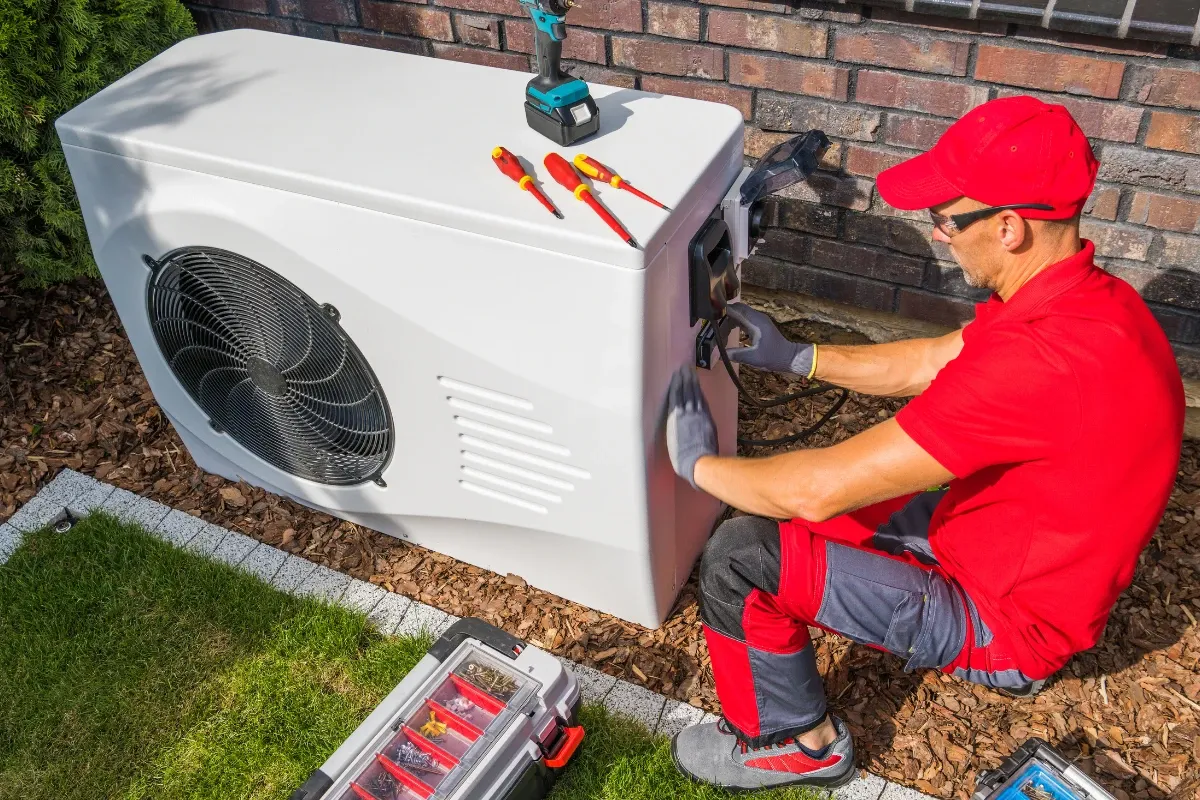
Heater Blowing Cold Air? Common Causes and Solutions
Warm air should come from your vents when the heat is running, so a blast of cold air can make it seem like something has failed immediately. Sometimes the explanation is simple, such as a thermostat setting or a clogged filter. Other times, the system needs professional heating repair because an airflow, electrical, control, or heating component is not working correctly.
The key is figuring out whether you are feeling a brief, normal change in air temperature or a persistent problem. Below, we will walk through the most common causes, what you can safely check yourself, and the signs that mean it is time to have the system inspected.
First, Is The Air Actually Cold?
Before assuming your heater is broken, give the system a few minutes and pay attention to what happens during the entire heating cycle.
Some ducted systems can briefly move cooler air that was already sitting inside the ductwork before heated air reaches the vents. A heat pump can also produce air that feels less intensely hot than air from a traditional furnace because it heats your home differently.
That is different from a system that continues blowing noticeably cold air while the thermostat is calling for heat.
If the air never warms up, the temperature inside your home keeps falling, or the system cycles repeatedly without providing enough heat, there is likely an underlying issue worth investigating.
The Thermostat May Be Set Incorrectly
Start with the thermostat because this is one of the easiest problems to rule out.
Confirm that the thermostat is set to Heat rather than Cool or Off. Then check the fan setting.
If the fan is set to On, the blower may continue circulating air even when the heating equipment is not actively producing heat. During those periods, the air coming from the vents may feel cool.
Setting the fan to Auto generally allows it to operate with the heating cycle instead.
Also check that the thermostat temperature is set above the current indoor temperature. If you use schedules or a smart thermostat, make sure an unexpected programmed setting has not changed the temperature.
If the settings are correct but the system still will not heat properly, the thermostat itself, its wiring, or another part of the HVAC system may require inspection.
A Dirty Air Filter Can Restrict Airflow
Your heater needs enough airflow to operate correctly. A dirty or overly restrictive filter can interfere with that airflow.
ENERGY STAR notes that a dirty filter makes heating and cooling equipment work harder to distribute air and can contribute to equipment problems over time.
Check your filter and replace or clean it if appropriate for your system and the manufacturer's instructions.
Do not automatically install the most restrictive filter you can find. Filter size, type, pressure drop, and the requirements of the HVAC system all matter. ACCA also notes that filtration and pressure drop can affect system airflow and performance.
If airflow remains weak after addressing a dirty filter, the problem may be somewhere else in the blower system, ductwork, controls, or heating equipment.
A Heat Pump May Be Going Through A Normal Operating Cycle
Not every Arizona home uses a conventional furnace. Some properties use heat pumps, which provide both heating and cooling by moving heat rather than generating it in the same way as a traditional furnace.
The U.S. Department of Energy explains that an air-source heat pump transfers heat from outside the home to the inside during heating operation.
Because of how these systems operate, the air coming from a heat pump may feel warm rather than extremely hot.
Heat pumps can also periodically enter a defrost cycle when operating under appropriate conditions. During system transitions, the air at the vents may temporarily feel different.
A brief change is one thing. Persistent cold air, poor temperature control, repeated cycling, or a system that cannot satisfy the thermostat may point to a problem that needs diagnosis.
Your Heating System May Be Losing Airflow Somewhere
The temperature of the air is only part of the issue. Pay attention to how much air is coming through the vents.
Weak airflow may be associated with several different conditions, including:
a clogged filter
obstructed supply or return vents
blower-related problems
duct restrictions
damaged or disconnected ductwork
other equipment problems
Make sure furniture, rugs, curtains, boxes, and other household items are not blocking your supply or return vents.
If several rooms have weak airflow while others seem normal, ductwork may be one factor to investigate. If airflow is weak throughout the property, the cause could be closer to the air handler or heating equipment.
Airflow symptoms alone do not confirm a specific failed component. A technician can inspect the system and determine what is actually restricting performance.
A Furnace May Not Be Producing Heat Correctly
If your home has a furnace, cold air may mean the blower is working while the heating portion of the system is not operating correctly.
Possible issues can involve components related to ignition, burners, airflow, electrical controls, or system safety controls.
These are not good areas for DIY troubleshooting.
Gas equipment, combustion systems, internal electrical components, and ignition systems require appropriate training and tools. Do not remove panels or attempt to bypass safety controls simply because the fan is still operating.
Persistent cold air from a furnace is a good reason to arrange professional heating repair so the actual cause can be identified rather than replacing parts based on guesswork.
Electrical Or Control Problems Can Stop The Heating Cycle
Your HVAC system depends on multiple controls working together.
A problem with a control board, electrical connection, motor, sensor, thermostat circuit, or another internal component may prevent the heating equipment from operating even though the blower appears to be running.
You can check whether the HVAC breaker has tripped once. If it trips again after being reset, do not continue resetting it.
Repeated breaker trips can indicate a problem that requires professional diagnosis.
Avoid opening electrical panels, testing capacitors, probing internal wiring, or attempting repairs on high-voltage HVAC equipment yourself.
Closed Or Blocked Vents Can Make The Problem Seem Worse
Walk through the home and check the supply registers.
Furniture may have been moved over a vent, a register may have been closed, or stored belongings may be blocking airflow. These problems are especially easy to miss in guest rooms or spaces that are not used every day.
Opening a blocked vent will not repair a malfunctioning heater, but checking the registers is a simple way to eliminate one possible airflow problem.
Avoid closing large numbers of vents in an attempt to force more heat into other rooms. HVAC systems are designed around specific airflow conditions, and intentionally restricting airflow can create additional performance problems.
When Cold Air Means You Should Stop Troubleshooting
Some symptoms deserve more caution than a thermostat or filter issue.
Stop operating the system and seek appropriate professional or emergency assistance if you notice:
a gas odor
smoke
sparks
an electrical burning smell
signs of overheating
a carbon monoxide alarm
other indications of a combustion or electrical hazard
Carbon monoxide deserves particular attention because you cannot reliably detect it by smell. The U.S. Environmental Protection Agency identifies fuel-burning appliances, including improperly operating furnaces, as potential sources of carbon monoxide.
If a carbon monoxide alarm activates or you suspect carbon monoxide exposure, leave the area and follow emergency guidance rather than attempting to diagnose the heating equipment yourself.
What You Can Safely Check Before Calling For Service
You do not need to diagnose the entire HVAC system yourself. A few basic observations can still be very helpful:
Make sure the thermostat is set to Heat.
Set the thermostat fan to Auto.
Confirm the requested temperature is above the room temperature.
Inspect the air filter.
Make sure supply and return vents are not blocked.
Check whether the HVAC breaker has tripped once.
Notice whether the air eventually becomes warm.
Listen for unusual noises.
Note whether the system starts and stops repeatedly.
Check whether the problem affects every room or only certain areas.
These observations can also make the eventual diagnosis easier because you can explain exactly what the system has been doing.
Avoid refrigerant work, internal electrical testing, combustion adjustments, or removing internal furnace components. Those tasks require professional equipment and training.
Repair Or Replacement: Cold Air Alone Does Not Answer The Question
A heater blowing cold air does not automatically mean you need a new heating system.
A repair may make sense when the cause is isolated and the rest of the equipment is in reasonable condition. Replacement may become a discussion when the system has broader problems, repeated breakdowns, declining performance, difficult-to-source parts, or repairs that no longer make sense relative to the condition of the equipment.
The decision should consider factors such as:
what actually failed
overall equipment condition
repair history
availability of replacement parts
airflow and comfort performance
efficiency
compatibility with existing ductwork and controls
the scope and cost of the proposed repair
There is no single age or repair-cost rule that makes replacement automatically correct for every home.
At Cactus Cool, we inspect heating problems to identify their source and explain the available repair options before the work moves forward. Our heating services are available for homes and businesses throughout Phoenix, Mesa, and surrounding Arizona communities.
Useful Heating And HVAC Resources For Homeowners
You do not need to become an HVAC technician to understand your system better. These authoritative resources can help you learn more about heating operation, maintenance, and safety.
U.S. Department of Energy Energy Saver
The U.S. Department of Energy Energy Saver explains how heat pumps operate and how they differ from heating equipment that creates heat directly. It is particularly useful if you are unsure why heat pump supply air may feel different from furnace heat.
ENERGY STAR HVAC Maintenance Checklist
The ENERGY STAR HVAC Maintenance Checklist covers filters, thermostat settings, airflow, system controls, and professional maintenance tasks. It provides a practical reference for understanding what routine HVAC maintenance can involve.
EPA Carbon Monoxide Safety Information
The EPA Carbon Monoxide Safety Information explains common household carbon monoxide sources, warning signs, alarms, and steps to take if exposure is suspected. This is particularly relevant for homes using fuel-burning heating equipment.
Air Conditioning Contractors of America Homeowner Resources
The Air Conditioning Contractors of America homeowner resources provide information about HVAC installation and system quality. The organization also publishes technical guidance relating to airflow, filtration, equipment maintenance, and HVAC system performance.
Frequently Asked Questions About Heaters Blowing Cold Air
Why Is My Heater Blowing Cold Air Instead of Heat?
A heater blowing cold air can happen for several reasons, from simple thermostat settings to larger problems inside your HVAC system. Phoenix homeowners often notice this issue during a chilly night when they expect reliable heating but feel cool air coming from the vents instead.
Before calling for heating repair, check simple things like your thermostat setting, air filter, and vents. If the problem continues, an experienced HVAC company can inspect your heating system, identify the cause, and explain the right repair options.
How Do I Know If My Heater Needs Professional Repair?
If your heating system keeps blowing cold air, makes strange noises, cycles on and off frequently, or cannot keep your Phoenix home comfortable, it may need professional service.
Some common issues that require repair include:
Faulty blower motor problems
Electrical connections that are damaged or loose
Restricted airflow
Thermostat problems
Furnace component failures
Air leaks in ductwork
A trained technician can perform a system check and find the cause instead of guessing. Getting repairs early can help prevent future issues and keep your equipment working properly.
Can A Dirty Air Filter Cause My Heater To Blow Cold Air?
Yes, a dirty air filter can affect how well your heating system works. When airflow is restricted, your HVAC system may struggle to move warm air throughout your home.
Replacing or cleaning your filter based on your equipment requirements is one of the simple tips that can improve airflow and help your system run more efficiently.
A clean filter can also support better indoor air quality and reduce unnecessary energy use. If the problem continues after changing the filter, professional heating repair may be needed.
Should I Repair My Furnace Or Replace It With A New HVAC System?
The right choice depends on the condition of your equipment, the cost of necessary repairs, and how well your system has been maintained.
A furnace repair may be the best option when the problem is small and the system is still efficient. However, replacement may make sense if your furnace has repeated breakdowns, high energy bills, or major component failures.
A professional HVAC company can explain whether repair or furnace installation is the better option for your Phoenix home. They can also guide you through the installation process if you decide a new HVAC system is needed.
Do Heat Pumps Blow Cold Air During Normal Operation?
Heat pumps work differently from traditional gas furnaces. Instead of creating heat the same way a furnace does, heat pumps move heat from one place to another to warm your home.
Because of how they operate, the air from heat pumps may feel less hot than air from a furnace. However, if your heat pump is consistently blowing cold air or your home is not warming up, you may need heating repair.
A technician can inspect the system, check airflow, and make sure your equipment is working properly.
When Do I Need Emergency Furnace Repair?
Emergency furnace repair may be needed when your heating system stops working completely or creates a safety concern.
Phoenix residents should contact a professional for emergency repair if they notice:
Gas smells near gas furnaces
Burning odors
Electrical issues
Smoke
Carbon monoxide alarms
The furnace shutting down repeatedly
Do not attempt to repair electrical connections or gas equipment yourself. An HVAC technician has the tools and training to safely diagnose the issue and provide expert service.
How Can Regular HVAC Maintenance Help Prevent Heating Problems?
Regular maintenance helps your HVAC system run more efficiently and can reduce unexpected repairs. A maintenance plan allows technicians to inspect important parts, check airflow, test equipment, and identify small problems before they become larger issues.
Routine maintenance can help with:
Better energy efficiency
Lower energy bills
Improved comfort
Longer equipment life
Fewer emergency repair needs
Whether you need heating maintenance, air conditioning repair, or general HVAC service, keeping your system maintained helps protect your home comfort throughout Arizona weather.
How Quickly Can A Heating Repair Company Fix My Heater?
The repair time depends on the cause of the problem. Some issues can be fixed during the first service call, while larger repairs may require replacement parts or additional work.
A professional HVAC company serving Phoenix, Fountain Hills, Apache Junction, Cave Creek, and the Phoenix metro area can provide a fast response and explain what needs to happen before work begins.
When you schedule service, a technician will inspect your system, explain the problem in plain language, and recommend the best repair or replacement options for your home.
What Can I Do Before Calling For Heating Repair?
Before scheduling heating repair, Phoenix homeowners can check a few basic things:
Make sure the thermostat is set to heating mode
Replace a dirty air filter
Check that vents are open and not blocked
Listen for strange noises
Check if the furnace turns on
Notice if some rooms are colder than others
These simple tips can help you understand what is happening with your HVAC system. If your heater is still not providing heat, Cactus Cool is ready to provide reliable repair services, maintenance, and installation solutions throughout Arizona.
We proudly serve Phoenix and nearby communities with professional HVAC service focused on total home comfort. Call today to schedule your service.
Get To The Cause Of Cold Air From Your Heater
Cold air from your vents does not automatically mean the entire heating system has failed. Check the thermostat, filter, vents, airflow, and basic system behavior first. If those simple checks do not solve the problem, professional diagnosis can determine whether the issue involves controls, airflow, electrical components, or the heating equipment itself.
If your Arizona home is still getting cold air instead of dependable heat, Cactus Cool can inspect the problem and determine the appropriate next step. For professional heating repair, call 602-905-1092 or Contact Us to discuss what your system is doing and schedule service.